NHS operational realities are shaping real-world oncology medicine use
Primary market research from Verpora’s NHS Oncology Pharmacy Network illustrates that high-cost injectable oncology medicines¹ use is influenced by factors outside of prescribing decisions.
Operational insights generated from these conversations can form an essential method for identifying opportunities for service improvement and effective benchmarking in the NHS.
Around 30% of oncology patients experience a treatment delay² within six months of initiating treatment.
Treatment delay estimates varied widely between NHS experts and their respective Trusts, ranging from 5% to 60%.
Delays are possible at any stage of treatment, but most common during:
early-cycle dose optimisation stages; typically cycles 1-3, and with intensive regimes e.g. in gastrointestinal cancer such as FOLFIRINOX, FLOT, FOLFOXIRI or FLAG-Ida
later-cycle reductions; driven by cumulative toxicity, particularly in late-stage, palliative and long-duration treatment settings, e.g. weekly Paclitaxel or anthracycline-containing regimes
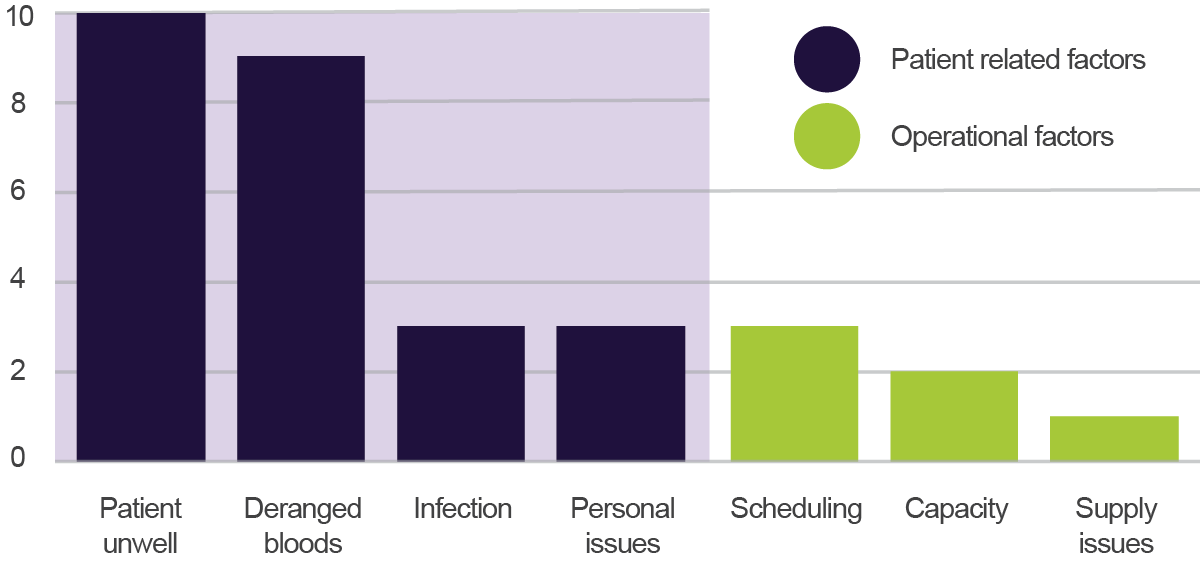
Patient-related factors (e.g. neutropenia, thrombocytopenia, infection, and other treatment-related toxicity) were consistently identified as the primary drivers of treatment delays
Increasing pressure on chemotherapy day units, staffing constraints, and limited treatment capacity were identified as important contributors to shorter treatment delays (<1 week)
Frequency of Reasons for Treatment Delay Stated by NHS Pharmacy Experts
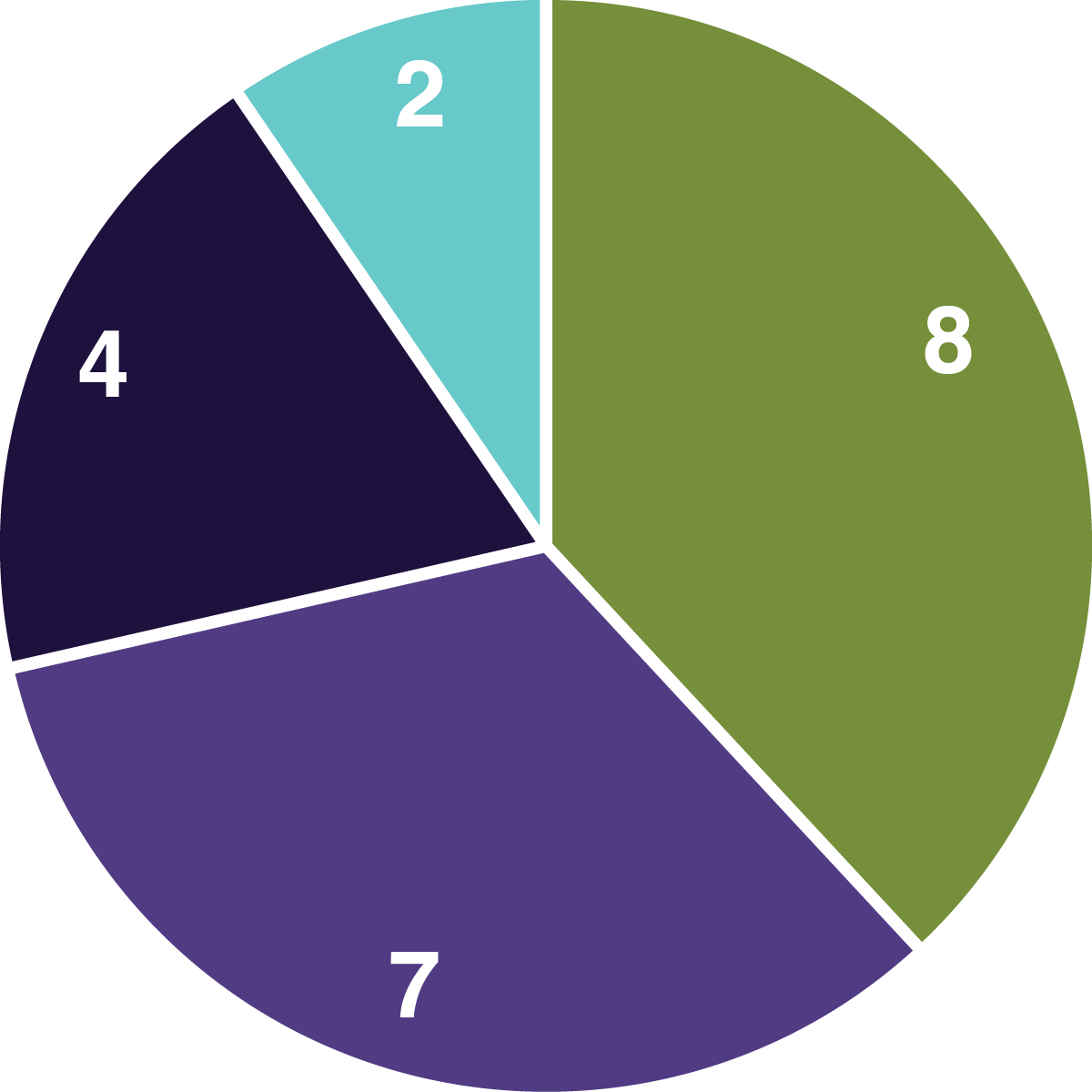
88% of Trusts reported wastage3 of injectable oncology medicines occurs on a daily to weekly basis
NHS experts reported that wastage was an inherent feature of SACT compounding4 and delivery, particularly for medicines with short expiry or those requiring cold chain storage.
Higher wastage was reported for medicines prepared on-site within pharmacy aspectics units5, commonly ranging from ~2–10%, depending on expiry and storage characteristics
Lower wastage (e.g. nearer ~2%) was reported for high-cost medicines (≥£500 per dose), reflecting stricter risk mitigation strategies
Risk mitigation strategies uncovered:
electronic aseptics systems (BD Cato™ reported to have reduced wastage by 80%)
delaying aseptics preparation until day of administration
RxInfo Vend spreadsheet where Trusts collaborated to redistribute excess stock before expiry
waste review meetings and live communication spreadsheets
Frequency of Reasons for Treatment Delay Stated by NHS Pharmacy Experts